Big News: Punjab Govt Announces Rs. 12 Billion English Training Program for Students and Teachers
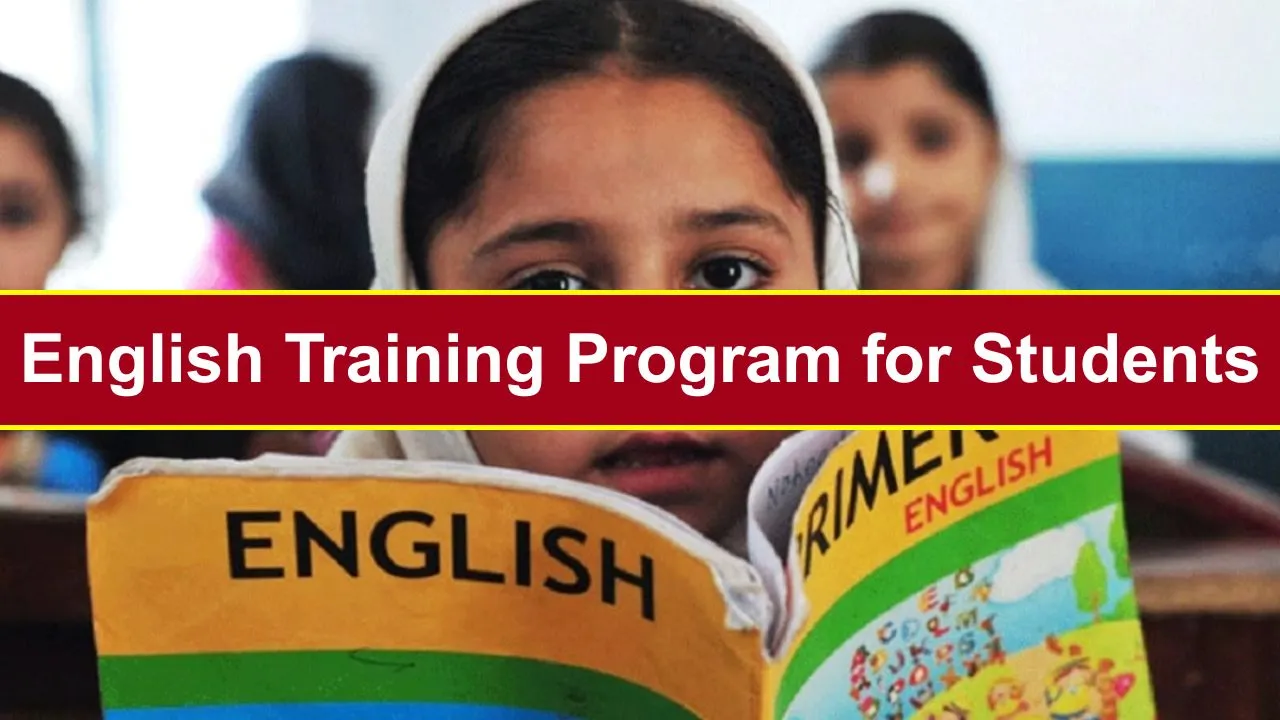
Lahore – October 23, 2025: The Punjab government has announced a major initiative to improve English language proficiency among students and teachers across the province. The plan aims to modernize English education in government schools through specialized training programs and curriculum upgrades.
According to official reports, the government will allocate Rs. 12 billion for this project, which will target both students and teachers in public institutions. The initiative is part of the province’s broader strategy to raise educational standards and align public-sector education with global benchmarks.
Focus on Students and Teachers
Under the new program, government schools will introduce modern English-language training modules for students, while teachers will undergo comprehensive professional development courses to improve their own English skills.
Officials say the training will follow internationally recognized standards, ensuring that teachers can deliver lessons more effectively in English — a growing demand across schools and higher-education institutions.
The updated approach will also make English learning more interactive and practical for students, emphasizing communication, comprehension, and writing skills.
 WhatsApp Channel
Objectives of the Initiative
The government’s English training plan aims to address long-standing challenges in public education where language barriers often affect student performance and learning outcomes.
Key goals include:
- Enhancing English proficiency among teachers and students.
- Preparing students for higher education and global opportunities.
- Bridging the gap between public and private-sector education.
- Empowering teachers through continuous training and certification.
- Supporting digital learning tools to make English education more accessible.
Implementation and Budget
The Punjab School Education Department will oversee implementation of the program in collaboration with provincial education boards and language experts.
The Rs. 12 billion budget will cover:
- Teacher-training workshops and online certification programs.
- New English-language textbooks and classroom resources.
- Digital tools, including e-learning apps and audio-visual lessons.
- District-wise rollout of training sessions beginning in early 2026.
The program will be implemented in phases, starting with selected districts before expanding across Punjab.

Why It Matters
Education analysts have praised the initiative as a “timely step” to strengthen Pakistan’s human-capital base. English fluency, they note, is becoming increasingly essential for global competitiveness and employment.
By equipping teachers with better language tools, the Punjab government hopes to ensure that students in government schools are not left behind compared to their peers in private institutions.
The program is also expected to enhance confidence and communication skills among young learners — particularly those from rural areas where access to quality English instruction has been limited.
Challenges Ahead
While the plan has been widely welcomed, experts caution that its success will depend on effective monitoring, teacher participation, and sustained funding. Ensuring consistent quality across thousands of schools will remain a key challenge.
Education specialists also emphasize the importance of periodic assessment to measure the program’s real impact on teaching quality and student performance.

Conclusion
The Punjab government’s decision to invest Rs. 12 billion in English-language training for students and teachers marks a significant step toward improving education quality in the province.
If implemented effectively, the program could help bridge the public-private education gap, open new opportunities for students, and raise the overall standard of English learning across Punjab.